
My Child Can’t Sit Up on Their Own—Is There More Than Just PT or OT?
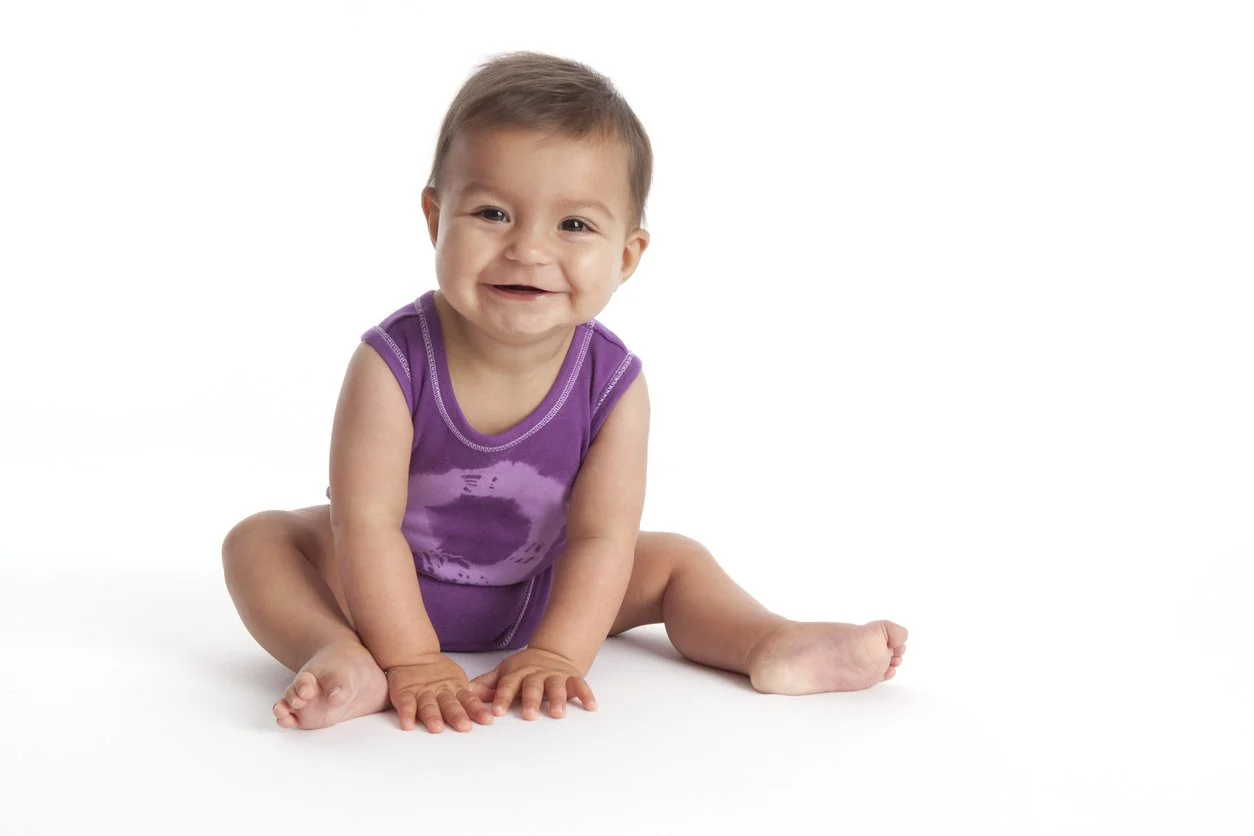
If you’re searching online for “my child can’t sit up on their own Portland,” chances are you’re feeling a mix of concern, urgency, and uncertainty. Sitting independently is a major developmental milestone—and when it doesn’t happen on schedule, parents understandably want answers and support as soon as possible.
In Portland, most families are guided toward physical therapy (PT) or occupational therapy (OT). These are established, valuable services that help many children. But some parents find themselves asking an important follow-up question:
What if my child is doing therapy, but progress feels slow—or stressful—or limited?
That’s where understanding how movement develops—and how different approaches support that development—can open new possibilities.
Sitting Is More Than a Muscle Milestone
It’s easy to assume that sitting is primarily about strength. Stronger core muscles should lead to sitting, right? Not always.
Sitting requires:
Balance and postural control
Coordination between the head, spine, and pelvis
Sensory awareness (knowing where the body is in space)
The ability to make constant micro-adjustments
All of these are brain-driven processes. If the brain hasn’t fully learned how to organize these systems together, strengthening muscles alone may not be enough.
This is why some children appear capable in certain ways but still struggle to sit independently.
How PT and OT Typically Approach Sitting
Physical therapy (PT) often focuses on:
Strengthening muscles
Improving range of motion
Practicing postural control through repetition
Occupational therapy (OT) may focus on:
Functional positioning
Stability for play, feeding, or daily activities
Using adaptive strategies to support sitting
Both approaches can be helpful—and for many children, they are essential parts of care. However, they often work from the assumption that the brain already understands the movement task and needs help executing it.
For some children, the missing piece isn’t execution—it’s learning.
A Brain-Based Complement: ABM NeuroMovement®
The Anat Baniel Method® NeuroMovement® (ABM) takes a different—but complementary—approach. Rather than training the body to perform a movement, ABM focuses on helping the brain learn how to organize movement more effectively.
At MoveAbilities in Portland, ABM sessions are designed to:
Gently introduce new movement information to the nervous system
Reduce effort and strain
Help children discover easier, more coordinated ways to move
This is done through slow, subtle, non-invasive movement—never forcing a child into a position or requiring repetition.
The goal isn’t to make a child sit, but to help the brain understand how sitting works.
What Portland Parents Are Commonly Asking—and How MoveAbilities Responds
Parents who reach out to MoveAbilities often ask questions like:
“My child has been in PT or OT—why isn’t sitting clicking yet?”
“My child resists therapy. Is there something gentler?”
“Could my child be capable of more than we’re seeing?”
“Is there a way to help my child without pushing them so hard?”
These questions reflect something important: parents aren’t looking to replace OT or PT—they’re looking to support their child more effectively.
MoveAbilities’ response is grounded in neuroscience and respect for each child’s nervous system:
Movement difficulties are often learning challenges, not failures.
Gentle, exploratory movement can unlock progress when forceful approaches stall.
When the brain gains new options, functional skills often follow naturally.
What an ABM Session Looks Like at MoveAbilities
ABM sessions are calm, individualized, and child-centered. There is no expectation that a child perform, repeat, or “get it right.”
Instead:
Movements are small and comfortable
The child’s responses guide the session
Learning happens through curiosity and awareness
For children who feel overwhelmed by traditional therapy settings, this can be a welcome change.
When to Consider an Additional Approach
You might consider exploring ABM NeuroMovement if:
Your child isn’t sitting independently and progress feels stalled
Therapy sessions feel stressful or exhausting for your child
You want a gentler, brain-based way to support development
You’re looking for an approach that complements OT and PT
Every child’s journey is unique. Sometimes, the next step isn’t more effort—it’s a different kind of learning.
Can I Do ABM Without OT or PT?
Yes—you absolutely can. Many families choose to focus solely on ABM NeuroMovement® without combining it with occupational or physical therapy. It depends on the needs of your child and the pace that feels right for your family. At MoveAbilities, we support parents in making informed, individualized decisions. Whether ABM is your starting point or a next step, it can stand on its own as a complete and respectful way to support your child’s development.
Moving Forward with Confidence
If your child can’t sit up on their own and you’re searching for answers in the Portland area, know this: there are multiple paths forward, and they don’t have to compete with one another.
ABM NeuroMovement offers a way to support your child’s development by working with how the brain learns—helping movement emerge with more ease, confidence, and possibility.
📅 Ready to Learn More?
If you’d like to explore whether ABM NeuroMovement could support your child—either on its own or alongside OT or PT—reach out today.
👉 Contact Kathy at MoveAbilities to start the conversation.