
My Child Has Low Muscle Tone—But Is Strength Really the Problem?
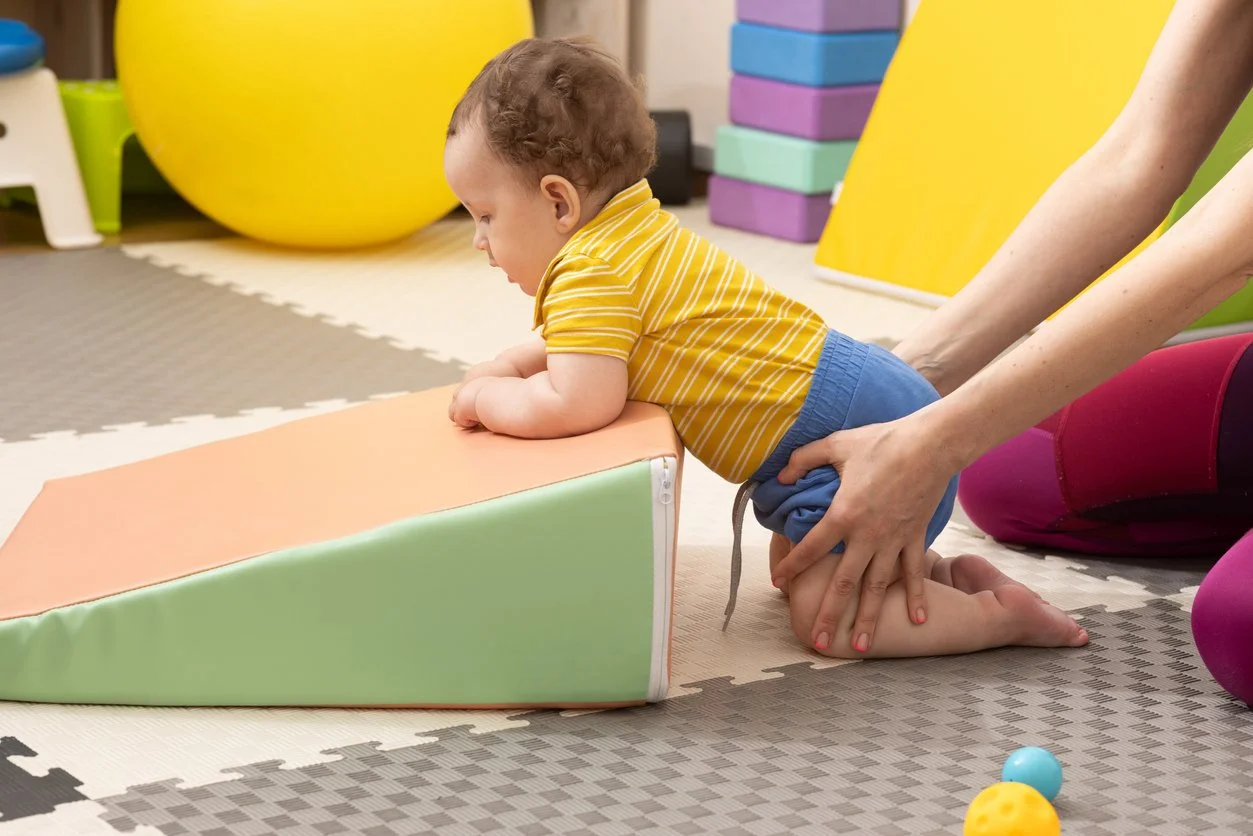
If you’ve been told your child has low muscle tone, also called hypotonia, you might be wondering what that really means—and what you should do next.
It’s one of the most common concerns we hear from Portland-area parents. They often find themselves searching for phrases like:
“child with low muscle tone therapy Portland” or “alternatives to OT for my child Portland.”
The good news is that there are multiple ways to support your child—and not all of them focus on simply building strength. This article will help you understand what hypotonia really is, how traditional therapies approach it, and how ABM NeuroMovement® offers a unique and often complementary path forward.
What Is Low Muscle Tone?
Low muscle tone doesn’t mean your child is weak. It refers to the resting tension in the muscles—not how strong or capable they are, but how ready their body is to respond to movement.
Children with low tone may:
Appear floppy or slouched when sitting
Tire quickly during activity
Struggle with balance or coordination
Seem less “engaged” in movement or play
Have delayed motor milestones (rolling, crawling, walking)
It’s often diagnosed early, especially in babies who have trouble lifting their heads or feel “soft” when picked up.
But here’s the important thing: tone is regulated by the nervous system—not just the muscles.
How OT and PT Typically Treat Hypotonia
When a child is diagnosed with low muscle tone, they’re often referred to occupational therapy (OT) or physical therapy (PT). These therapies aim to improve function through:
PT: Exercises and play-based activities designed to strengthen muscles, improve posture, and support gross motor skills like sitting, crawling, or walking.
OT: Activities to improve fine motor control, stability for daily tasks like feeding or dressing, and coordination for play.
These can be extremely helpful for building endurance and engaging muscle groups that need more activation.
But they tend to focus on what the child is doing—not always on how the brain is organizing movement in the first place.
That’s where many parents find themselves asking:
“We’re doing the work, but my child still looks floppy or disorganized. Is there something we’re missing?”
ABM NeuroMovement: A Different Way to Support Low Tone
ABM NeuroMovement® takes a different approach. Instead of focusing on muscle output, it focuses on how the brain creates the patterns of movement that shape tone, coordination, and balance.
At MoveAbilities in Portland, ABM sessions gently guide your child through small, subtle movements that help the brain discover new, more efficient ways to organize the body. This often results in:
Improved posture
More ease in movement
Spontaneous strength gains
Better balance and control
Less slumping or fatigue during play
ABM doesn’t attempt to force muscles to work harder. It helps the brain form better instructions so the body works smarter.
Why “Stronger” Isn’t Always the Answer
Here’s an important concept many parents haven’t been told:
You can have low tone and good function.
Some children with hypotonia develop strong coordination and balance once the brain learns how to optimize movement. Conversely, a child can build muscle and still struggle with posture or movement fluidity if the brain hasn’t learned how to integrate those muscles effectively.
In other words, the issue is often one of coordination and awareness—not strength alone.
That’s why ABM NeuroMovement can be so powerful. It doesn’t just push the body—it teaches the nervous system new options.
How ABM Works With (Not Against) OT and PT
ABM is not a replacement for OT or PT. Many families at MoveAbilities continue to use those therapies—and often see even better results when ABM is added into the mix.
That’s because ABM:
Makes movement more efficient, so therapy exercises feel easier
Reduces compensation patterns that slow down progress
Improves attention, regulation, and engagement
Helps the child feel successful and safe, rather than pressured
For therapists, this means your child may be more available to learn during traditional sessions. For parents, it means less resistance and more joy during therapy time.
Can I Do ABM Without OT or PT?
Yes—you absolutely can. Many families choose to focus solely on ABM NeuroMovement® without combining it with occupational or physical therapy. It depends on the needs of your child and the pace that feels right for your family. At MoveAbilities, we support parents in making informed, individualized decisions. Whether ABM is your starting point or a next step, it can stand on its own as a complete and respectful way to support your child’s development.
What Portland Parents Are Often Thinking
Here are some of the most common concerns we hear from families dealing with low tone:
“My child is always slouching or leaning—how do I help them sit up without pushing them?”
“They’ve been doing therapy for months, but posture and balance still haven’t improved.”
“They hate tummy time or structured activities—is there something more playful?”
“I feel like the problem is deeper than just weak muscles.”
All of these questions make sense. And they point to the same truth: many children with hypotonia need their brains to learn a new way of moving—not just stronger muscles.
What a Session Looks Like at MoveAbilities
ABM sessions are gentle, calm, and respectful. Your child will not be forced into sitting positions or asked to repeat tasks. Instead, they’ll experience subtle movements that spark curiosity in the brain. These movements build new sensory connections—leading to real-world improvements in:
Posture during sitting or walking
Playful engagement
Coordination
Self-regulation
Overall comfort in their body
Some children begin initiating movements they previously avoided—because they feel more in control, not because they were pushed.
When to Consider ABM for Low Tone
You might want to explore ABM NeuroMovement if:
Your child has been diagnosed with hypotonia and you’re looking for a more brain-based approach
You’ve tried traditional therapy and feel like progress is stuck
Your child tires quickly or avoids movement
You’re looking for something gentler or more individualized
You want to add a complementary tool to your therapy toolbox
Every child is different. But every child can benefit from a brain that’s given more options—especially when it comes to organizing movement with ease.
🧠 Help Your Child Move Smarter—Not Just Harder
If your child has low muscle tone and you’re wondering what else might help, ABM NeuroMovement offers a gentle, proven method to support the brain in learning new movement patterns.
This is not about doing more therapy—it’s about doing the right kind of learning that your child’s brain is ready for.
📅 Ready to Explore a New Path?
If you’re in the Portland area and want to explore how ABM can support your child’s development—whether on its own or alongside your current therapy plan—Kathy at MoveAbilities is here to help.
👉 Contact Kathy at MoveAbilities to schedule a session or ask questions.