
My Child Is in Therapy, But Movement Still Looks Awkward
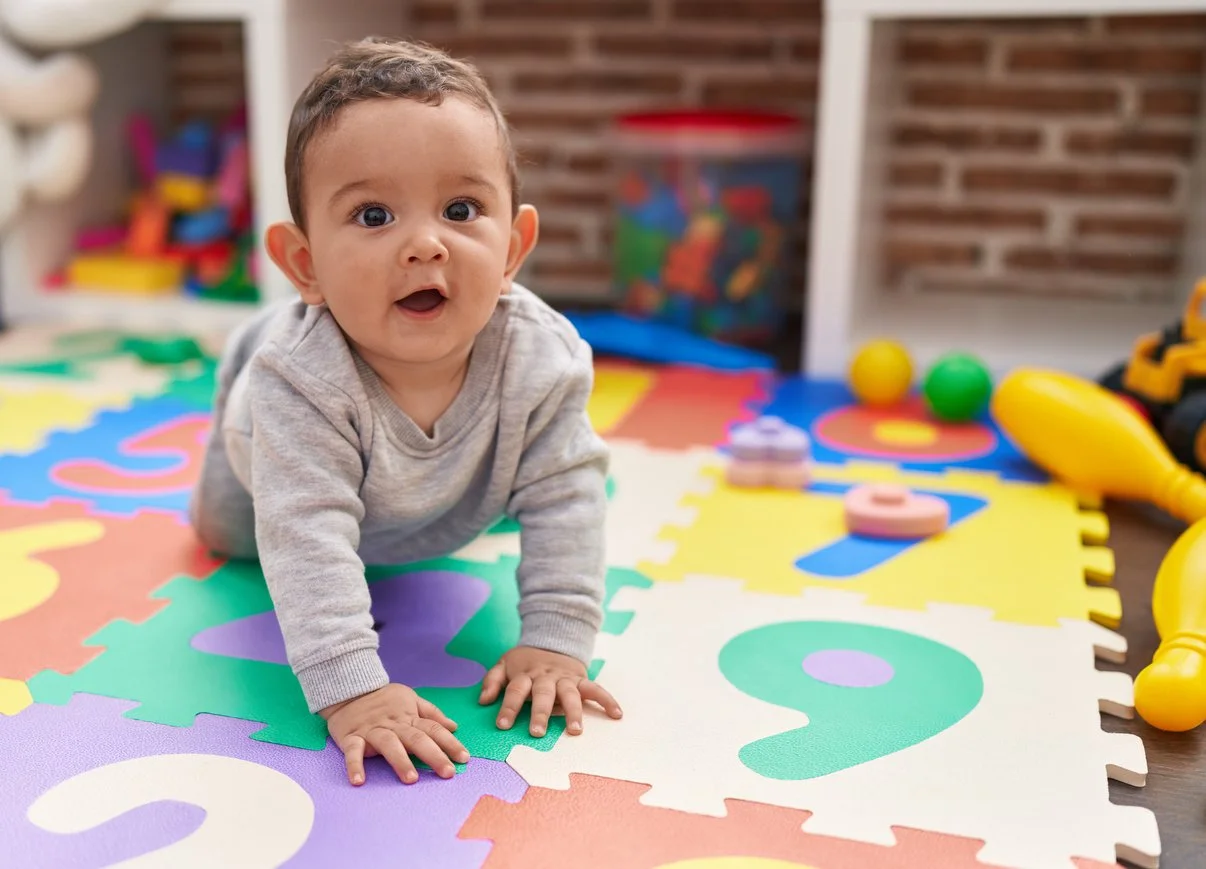
When your child starts Occupational Therapy (OT) or Physical Therapy (PT), it's natural to hope that movement will gradually become smoother and easier.
And sometimes it does.
But many parents notice something confusing.
Their child is attending therapy.
They're doing the exercises.
They're putting in the effort.
Yet movement still looks...
Stiff
Awkward
Unsteady
Hesitant
More difficult than it seems for other children
You may find yourself wondering:
"Why does it still look so hard?"
This is one of the most common questions families ask before they discover MoveAbilities.
The answer often isn't that your child needs to try harder.
It may be that their brain is still working very hard to organize movement.
Looking Better Isn't the Same as Moving More Easily
Progress is often measured by what a child can accomplish.
Can they climb the stairs?
Can they stand independently?
Can they walk farther than they did last month?
These are meaningful milestones.
But there's another question parents often notice before anyone else asks:
How much effort did it take?
A child may successfully complete a task while still relying on:
Excessive muscle tension
Holding their breath
Moving very slowly
Intense concentration
Compensation through other parts of the body
From the outside, the movement may look successful.
Inside the nervous system, however, it may still require enormous effort.
Why Some Movements Continue Looking Stiff
The brain is responsible for organizing every movement your child makes.
Before a child reaches for a toy, climbs onto a chair, or takes a step, the nervous system must coordinate:
Balance
Timing
Muscle activation
Sensory feedback
Posture
Spatial awareness
When this organization is not yet efficient, children often compensate.
They may stiffen their body to feel more stable.
They may move cautiously because uncertainty feels safer.
They may use more muscles than necessary to complete a simple action.
The result is movement that looks awkward—not because the child isn't trying, but because the brain is still searching for better ways to organize the body.
Why Exercises Don't Always Change How Movement Looks
Many therapy programs include exercises designed to strengthen muscles or improve specific skills.
These can absolutely be helpful.
But parents sometimes notice something frustrating.
Their child becomes better at the exercise...
Yet everyday movement doesn't seem much different.
Walking still looks effortful.
Transitions still require concentration.
Playground activities still feel challenging.
This happens because practicing a movement isn't always the same as helping the brain organize that movement more efficiently.
The body may become stronger.
But if the nervous system is relying on the same underlying strategy, movement can continue looking awkward.
The Difference Between Performing and Organizing
Imagine learning to write while gripping the pencil as tightly as possible.
Eventually, you might produce neat handwriting.
But every word would require tremendous effort.
Now imagine learning to hold the pencil comfortably.
The handwriting improves because the movement itself becomes more organized.
Movement works in a similar way.
Children can sometimes perform a task while still using inefficient organization underneath.
The goal isn't simply completing the movement.
The goal is helping the brain discover easier ways to create it.
A Different Way to Support the Brain
The Anat Baniel Method® NeuroMovement® focuses on how the brain organizes movement rather than simply how the body performs it.
At MoveAbilities, lessons are designed to:
Introduce gentle movement experiences
Help the brain notice subtle differences
Reduce unnecessary effort
Expand movement possibilities
Improve overall nervous system organization
Instead of asking children to repeat movements until they improve, NeuroMovement® helps the brain become more adaptable.
As the nervous system becomes more organized, movement often becomes smoother, easier, and more efficient.
Families can receive support through in-person lessons, virtual sessions, or educational movement classes, depending on what best supports their child's needs.
What Parents Often Notice
When the brain begins organizing movement differently, parents frequently report changes such as:
Walking that appears smoother
Less stiffness during movement
Easier transitions between activities
More confidence exploring new environments
Reduced frustration during physical challenges
These changes don't always happen overnight.
But they often reflect something deeper than simply learning another exercise.
They reflect the nervous system becoming more efficient.
When Progress Feels Slower Than You Expected
It can be discouraging to invest months—or even years—into therapy and still feel like movement doesn't look natural.
Parents often ask themselves:
"Shouldn't this be easier by now?"
Sometimes the answer isn't more repetitions or additional home exercises.
Sometimes the brain needs a different kind of learning experience.
If your child continues moving with significant effort despite therapy, it may be helpful to learn more about alternatives to OT and PT in Portland.
Exploring another perspective doesn't erase the progress your child has already made.
It simply opens the door to new possibilities.
Can NeuroMovement® Be Used Alongside OT or PT?
Yes.
Many families continue Occupational Therapy or Physical Therapy while adding the Anat Baniel Method® NeuroMovement®.
Others choose to pause traditional therapy for a time.
Some eventually decide that NeuroMovement® is the approach that best fits their child.
Every child learns differently.
That's why MoveAbilities works with families to create an individualized plan based on each child's responses and developmental goals.
Movement Should Become Easier—Not Just Possible
Parents naturally celebrate every milestone.
But it's also worth paying attention to how those milestones happen.
Is your child becoming more comfortable?
More confident?
More fluid?
Or are they simply working harder?
When the brain discovers better organization, movement often becomes easier—not because the child is trying more, but because the nervous system has found a more efficient path.
That's a very different kind of progress.
Curious Whether NeuroMovement® Could Help Your Child?
If your child is participating in therapy but movement still looks awkward or requires tremendous effort, there may be another way to support learning.
You can contact Kathy at MoveAbilities to learn more about the Anat Baniel Method® NeuroMovement® and whether it may be a good fit for your child.