
My Child Isn’t Progressing in OT or PT — What Are My Options?
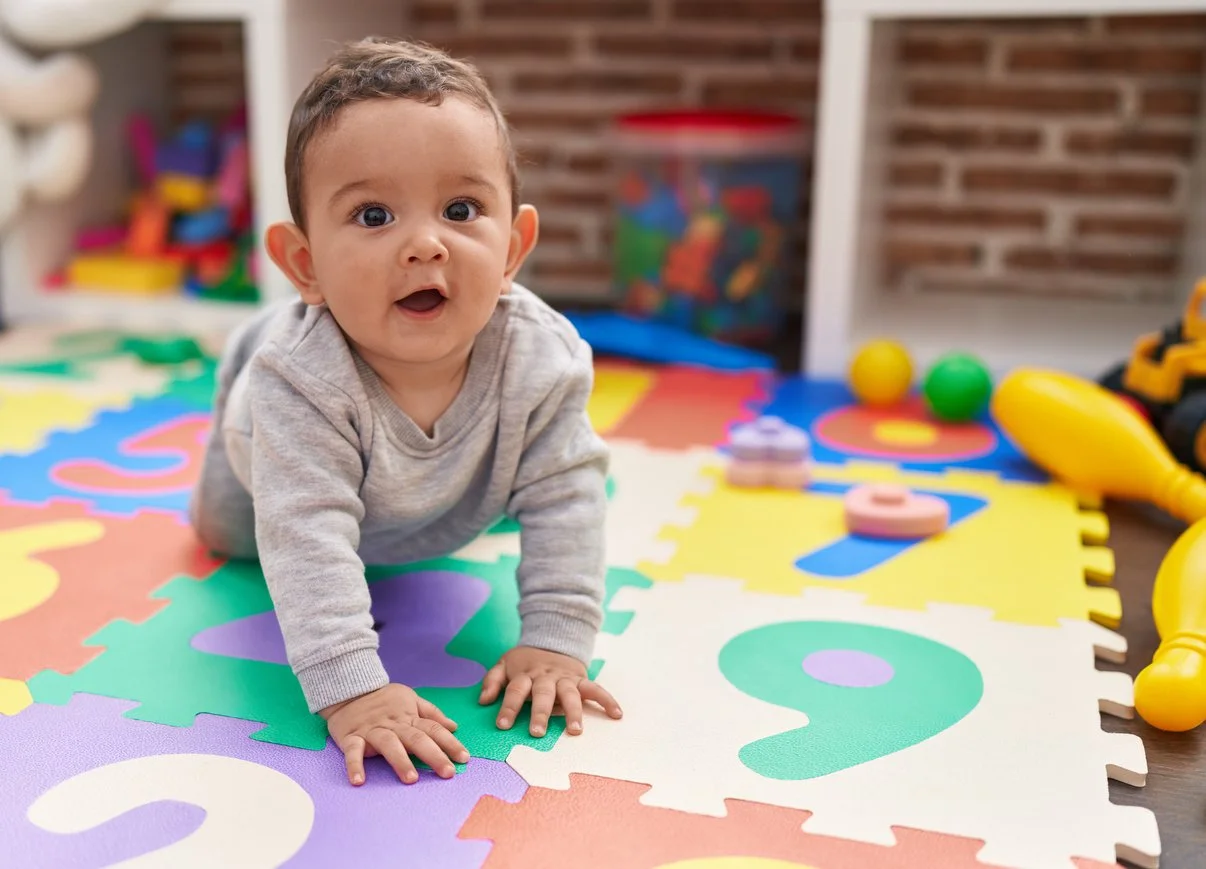
If your child has been in occupational therapy or physical therapy for a while, you may have expected to see steady progress.
And maybe at first, you did.
But over time, many parents begin to notice something more complicated:
Progress slows.
Changes don’t seem to stick.
Or improvement doesn’t match the effort their child is putting in.
You might find yourself thinking:
“Are we missing something?”
“Is this the right approach?”
“What else is out there?”
If you’re asking these questions, you’re not alone.
When Therapy Doesn’t Match Expectations
OT and PT are often the first step for children with developmental challenges.
They are widely recommended and can be helpful for many families.
But sometimes, parents begin to notice:
Their child works very hard during sessions
Progress feels inconsistent
Skills don’t carry over into daily life
Movement still looks effortful or tense
Sessions feel repetitive or demanding
This can be confusing.
Because it may seem like doing more should lead to better results.
But movement is not just about practice.
It’s about how the brain is learning.
Why Progress Can Plateau
When a child repeats the same movements over and over, the brain may become very good at that specific pattern.
But that doesn’t always mean the brain has learned how to organize movement more efficiently.
In some cases:
The same patterns are reinforced
New possibilities are not explored
The nervous system continues relying on effort rather than ease
This is often when parents feel like progress has stalled.
Not because the child isn’t trying.
But because the brain may need a different kind of experience to continue learning.
The Difference Between Practice and Learning
It’s easy to assume that more repetition leads to better outcomes.
But learning and practice are not the same thing.
Practice repeats what is already known.
Learning happens when the brain:
Notices differences
Explores new options
Refines how movement is organized
Without new information, repetition can only go so far.
That’s why some children reach a point where:
They are working hard…
But not moving forward.
When to Consider a Different Approach
You may want to explore other options if you notice:
Progress has slowed or plateaued
Your child seems frustrated or fatigued
Movement still requires a lot of effort
Skills are not transferring into everyday life
Therapy feels like pressure rather than learning
These signs are not a failure.
They are information.
They suggest the brain may benefit from a different kind of input.
A Different Way to Support the Brain
The Anat Baniel Method® NeuroMovement® offers an alternative approach for children who are not progressing as expected in traditional therapy.
Rather than focusing on practicing specific movements, NeuroMovement® focuses on how the brain organizes movement.
At MoveAbilities in Portland, sessions are designed to:
Be gentle and non-forceful
Introduce subtle variations in movement
Help the brain notice differences
Support new patterns of organization
Reduce unnecessary effort
Instead of asking the child to “try harder,” the focus is on helping the brain learn in a clearer way.
This shift can open the door to new possibilities.
Families can begin in ways that feel manageable, including in-person lessons, virtual sessions, or guided movement classes.
Exploring Alternatives to OT and PT
If your child is not progressing in therapy, it can be helpful to learn more about alternatives to OT and PT in Portland.
Exploring alternatives does not mean abandoning what you’ve already done.
It means expanding your understanding of how your child learns.
It means considering approaches that focus on:
Brain organization rather than repetition
Awareness rather than force
Possibility rather than performance
And for many families, that shift changes the trajectory of progress.
What Parents Often Notice
When the brain begins to organize movement more effectively, changes often show up in everyday life.
Parents may notice:
Movement becomes easier and less effortful
Their child explores more freely
Transitions feel smoother
Skills begin to carry over into daily routines
Progress feels more natural and consistent
These changes are not forced.
They emerge as the nervous system gains new options.
Can NeuroMovement® Be Done Without OT or PT?
Yes — many families choose to focus entirely on the Anat Baniel Method® NeuroMovement® without combining it with occupational or physical therapy.
Because NeuroMovement® works directly with how the brain learns and organizes movement, it can stand on its own as a complete approach.
Some families combine approaches.
Others choose to simplify to reduce overwhelm.
At MoveAbilities, each plan is individualized based on your child’s needs and responses.
You Are Allowed to Reevaluate
If something doesn’t feel right, you are allowed to pause and reconsider.
You are allowed to ask:
Is this helping my child learn?
Is there another way to approach this?
You are not locked into one path.
And exploring different options does not mean starting over.
It means continuing forward—with more information.
Curious What a Different Approach Could Look Like?
If you’re in the Portland area and your child is not progressing in OT or PT, there are other ways to support their development.
You can contact Kathy at MoveAbilities to ask questions or explore what approach might feel right for your child.