
We’ve Tried Everything—Could There Still Be Another Way?
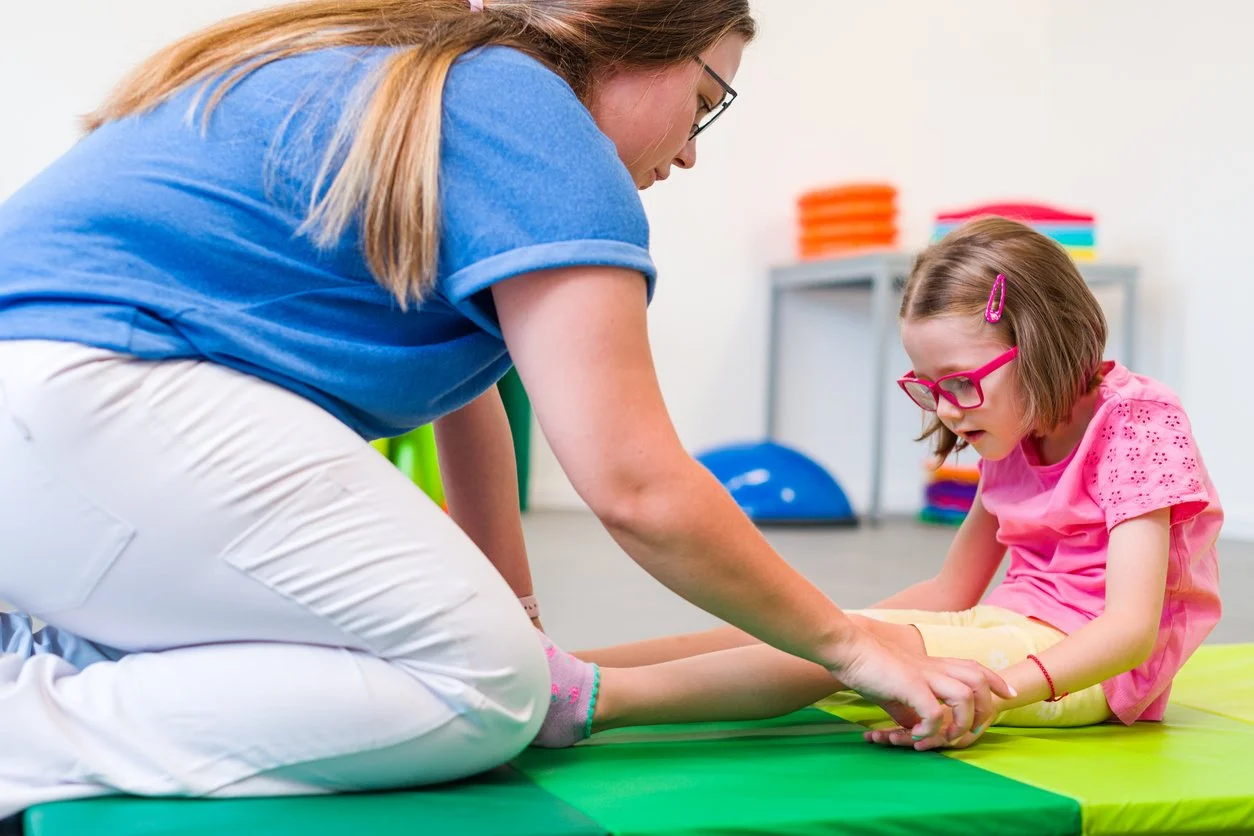
If you’ve ever said out loud, “We’ve tried everything,” you’re not alone.
Many parents in Portland find themselves on this emotional rollercoaster. After months—or years—of evaluations, therapy sessions, exercises, and home programs, they’re still searching for meaningful change in their child’s development.
What starts as hope can quietly turn into exhaustion.
If you’re here because you’ve been Googling things like “alternatives to OT and PT for my child Portland” or “my child is still behind after therapy,” this post is for you.
The Emotional Weight of “Doing Everything Right”
Parents who reach out to MoveAbilities are often deeply committed. They've followed the referrals. They’ve worked with amazing OT and PT teams. They’ve read the books, joined the forums, and tried every strategy they were given.
Still, something feels missing.
Common frustrations we hear include:
“Progress feels slow or stuck.”
“My child resists therapy—even the fun stuff.”
“Everything seems like a battle.”
“We see little improvements, but they don’t last.”
“It’s all so exhausting—for both of us.”
These aren’t signs that you’re failing. These are signs that your child’s nervous system might need a different kind of support.
Why Traditional Therapies Work—But Sometimes Don’t Go Far Enough
Occupational therapy (OT) and physical therapy (PT) are essential tools in the world of child development. They help children build strength, coordination, and functional independence. Most families start with them—and many see good results.
But here’s what often goes unspoken:
OT and PT assume the brain already understands the task—it just needs help performing it.
They focus on doing—not always on learning.
They sometimes emphasize repetition over exploration.
For children whose nervous systems are overwhelmed, uncoordinated, or still forming basic movement maps, this can feel like trying to run before you’ve learned to walk.
That’s where ABM NeuroMovement® comes in.
ABM: A Fresh Layer That Supports the Brain Itself
The Anat Baniel Method® NeuroMovement® doesn’t try to fix what’s “wrong.” It helps the brain become a better learner—so change becomes possible again.
A MoveAbilitiest MoveAbilities, we use gentle, non-invasive movement to:
Provide the brain with new sensory input
Reduce habitual tension and “stuck” movement patterns
Help children discover easier, more coordinated ways to move and feel
Support self-regulation and attention
ABM isn’t about exercises, drills, or task performance. It’s about helping your child’s nervous system become more organized—so they can access the skills they’ve been struggling to use.
A Shift from Performance to Possibility
When therapy focuses too heavily on outcomes—sit up, crawl, grab the toy—it can feel like pressure. The child feels it. The parent feels it. And sometimes, the brain resists rather than learns.
ABM flips that script. We focus on process over performance, giving your child time and space to:
Notice how they move
Feel the differences between easy and hard
Learn to choose more effective patterns
This shift creates space for genuine breakthroughs—ones that often feel effortless because they arise from the child’s own nervous system, not from external control.
What Portland Parents Say When They Find ABM
Families who come to MoveAbilities after "trying everything" usually arrive with cautious curiosity. But after a few sessions, they begin to notice:
Their child moves more smoothly or easily without being taught
Meltdowns become less frequent or intense
Skills from OT or PT “suddenly stick”
Their child seems calmer, more connected, and more confident
They often say, “I didn’t realize how much tension my child was holding until it disappeared,” or “She just started doing things she couldn’t before—without being told.”
These aren't quick fixes or guarantees. They're the result of the brain being given a chance to reorganize, without pressure.
ABM + OT/PT = A Powerful Combination
To be clear: you don’t have to choose. ABM doesn’t compete with OT and PT—it enhances them.
By improving your child’s:
Body awareness
Balance and coordination
Attention and adaptability
Emotional regulation
…ABM makes other therapies more effective. Some families alternate ABM with OT. Others start with ABM to reduce overwhelm before reintroducing PT. The key is: you now have another tool that speaks the brain’s language.
Can I Do ABM Without OT or PT?
Yes—you absolutely can. Many families choose to focus solely on ABM NeuroMovement® without combining it with occupational or physical therapy. It depends on the needs of your child and the pace that feels right for your family. At MoveAbilities, we support parents in making informed, individualized decisions. Whether ABM is your starting point or a next step, it can stand on its own as a complete and respectful way to support your child’s development.
What a Session Looks Like at MoveAbilities
ABM sessions are quiet, focused, and personalized. There are no charts, no drills, and no pressure to perform. Instead, we follow your child’s responses in real time to gently guide movement, sensation, and attention.
Sessions are typically:
One-on-one with a certified ABM practitioner
Conducted on a low padded table
Non-verbal and calming
About helping the brain notice and learn
Even small shifts—like lifting a leg with less effort or turning the head more freely—can create huge breakthroughs when the brain takes over the learning process.
When to Consider ABM
If any of the following sound familiar, ABM NeuroMovement might be a great next step:
“My child has been in therapy, but progress has slowed or stalled.”
“He fights therapy, or shuts down when pushed.”
“I’m emotionally drained from trying to make everything work.”
“I want something that supports my child’s brain, not just their body.”
“We’ve tried everything… but I’m still hopeful.”
The good news? You don’t need a new diagnosis. You don’t need to start over. You just need a new doorway into your child’s potential.
🌱 There Is Another Way—And You Deserve to Know About It
ABM NeuroMovement isn’t a last resort—it’s a fresh start. It meets your child where they are and helps their brain learn from the inside out.
You’ve done so much already. Let this be the step that brings relief, hope, and lasting change—not just for your child, but for you, too.
📅 Ready to Explore What’s Next?
If you’re in the Portland area and want to talk about how ABM NeuroMovement could support your child, Kathy at MoveAbilities would love to hear your story.
👉 Contact Kathy at MoveAbilities to ask questions, schedule a consultation, or simply take the next step—without pressure.