
Do We Need a Diagnosis Before We Can Help Our Child?
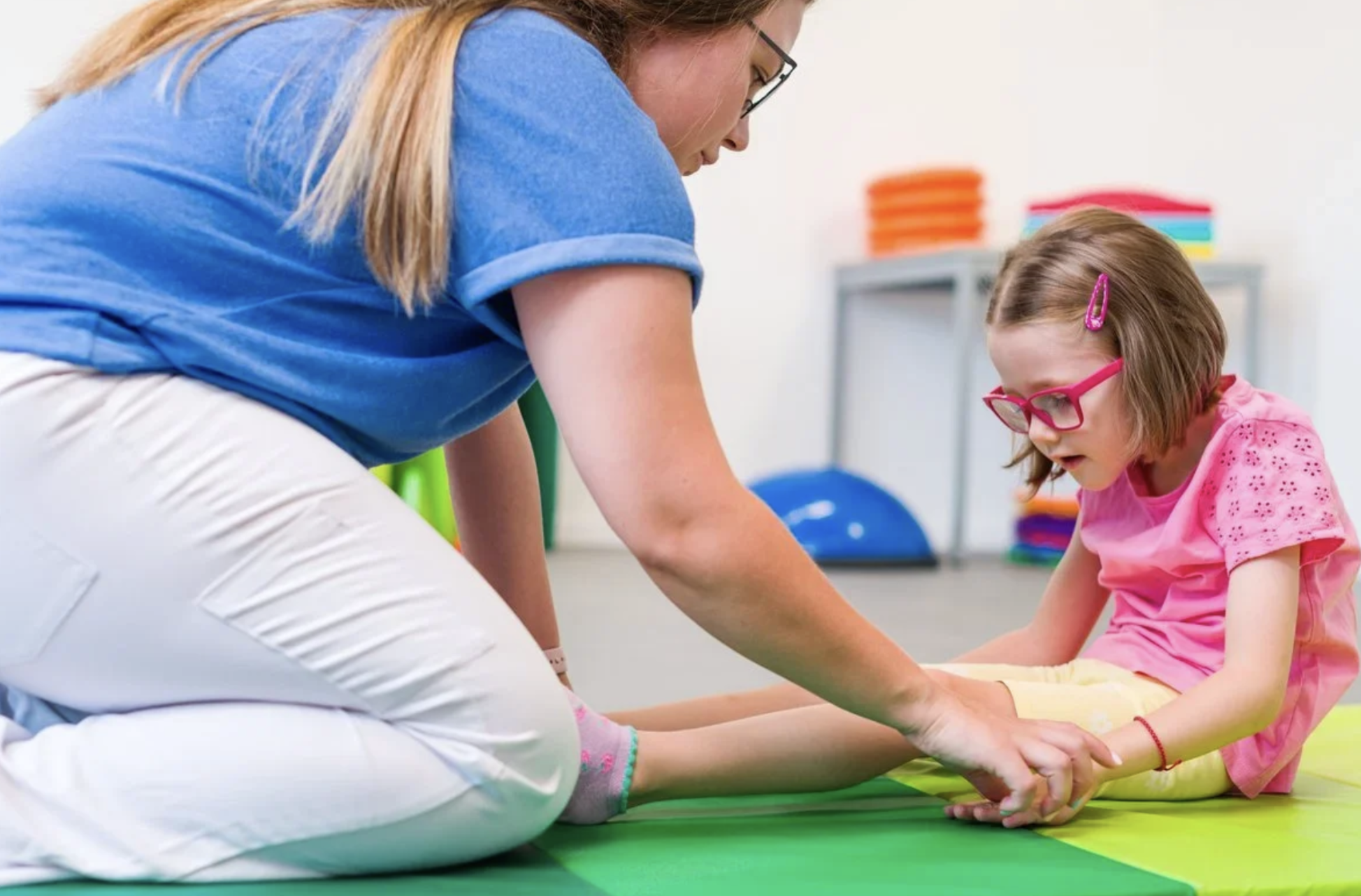
For many families, the journey begins with a question that feels impossible to answer.
"Should we wait until we have a diagnosis?"
Perhaps your pediatrician has recommended monitoring your child's development.
Maybe you're waiting for an evaluation with a specialist.
Or perhaps you've noticed your child is struggling, but no one has been able to tell you exactly why.
During that waiting period, it's common for parents to feel stuck.
You don't want to overreact.
But you also don't want to lose valuable time if your child could benefit from additional support.
The good news is that you don't always need a formal diagnosis before helping your child learn.
In fact, many opportunities to support healthy development begin long before a specific label is attached.
A Diagnosis Can Be Helpful—But It Isn't the Whole Story
Diagnoses serve an important purpose.
They can help families:
Better understand their child's needs.
Access school or community services.
Communicate with healthcare providers.
Qualify for insurance coverage or specialized programs.
For many families, receiving a diagnosis also brings relief.
It provides an explanation for challenges they've been seeing for months or even years.
But a diagnosis doesn't tell us everything about a child.
It doesn't explain:
How your child learns best.
What motivates them.
Which learning experiences help them thrive.
How their nervous system responds to new information.
Two children with the same diagnosis may have completely different strengths, challenges, and developmental paths.
That's why supporting the child—not just the diagnosis—is so important.
Parents Usually Notice Changes First
Long before an evaluation is scheduled, parents are often the first to recognize that something feels different.
You may notice that your child:
Seems unusually cautious with movement.
Gets tired more quickly than other children.
Struggles with balance or coordination.
Becomes frustrated by everyday tasks.
Avoids activities they once enjoyed.
Needs significantly more effort to accomplish simple things.
These observations matter.
You don't need a medical report to recognize that your child is working incredibly hard.
Your daily experiences provide valuable information about how your child is functioning in the real world.
Waiting Doesn't Have to Mean Standing Still
Some developmental evaluations take months.
In some areas, families wait even longer.
That waiting can feel frustrating.
Fortunately, waiting for answers doesn't mean you have to stop supporting your child's development.
There are many meaningful ways to encourage learning while evaluations are taking place.
You can:
Learn more about how children develop.
Observe what makes movement easier or harder.
Create opportunities for exploration and play.
Ask questions about different learning approaches.
Supporting your child's nervous system doesn't require having every answer first.
Looking Beyond the Label
One of the guiding ideas behind the Anat Baniel Method® NeuroMovement® is that every brain has the capacity to learn.
Rather than beginning with a diagnosis, the focus begins with the individual child.
At MoveAbilities, lessons are designed around how the nervous system organizes movement and learning—not around checking boxes on a diagnostic checklist.
Every child arrives with unique strengths.
Unique challenges.
Unique ways of processing information.
Those differences help shape an individualized learning experience.
Families can participate through in-person lessons, virtual sessions, or educational movement classes.
The Brain Doesn't Wait for a Diagnosis
One of the remarkable things about childhood is how adaptable the brain is.
Children are constantly learning.
Every movement...
Every interaction...
Every new experience...
The nervous system is taking in information and building new connections.
That process doesn't pause while families wait for appointments.
It continues every single day.
Providing rich, meaningful learning experiences during that time can support the brain's ongoing development regardless of when a formal diagnosis arrives.
What If My Child Never Receives a Diagnosis?
Some children never receive a specific diagnosis.
Others receive one years after parents first noticed concerns.
Still others may simply develop at their own pace while continuing to benefit from supportive learning experiences.
Regardless of the outcome, your child's needs today are still important.
If movement feels difficult...
If daily routines require tremendous effort...
If your child seems frustrated or overwhelmed...
Those experiences deserve attention, even if no diagnosis has been made.
When Families Begin Looking for Another Perspective
Many families discover MoveAbilities while they are waiting.
Others arrive after months or years of Occupational Therapy (OT), Physical Therapy (PT), or Early Intervention.
They aren't necessarily looking for a replacement.
They're looking for another perspective.
They often ask questions like:
"Is there something else we can do?"
"Does my child have to wait?"
"Are there different ways to support learning?"
If you've been asking similar questions, you may find it helpful to explore alternatives to OT and PT in Portland.
Learning about additional options doesn't commit you to making a change.
It simply gives you more information as you make decisions for your child.
Your Child Is More Than a Diagnosis
Parents sometimes worry that without a diagnosis, their concerns won't be taken seriously.
But your child is not defined by a report.
They are defined by who they are.
Their curiosity.
Their personality.
Their strengths.
Their challenges.
Their potential.
The Anat Baniel Method® NeuroMovement® recognizes that meaningful learning begins with understanding the whole child—not just a medical label.
That's why every lesson is individualized to support how that particular child learns and grows.
Trust Your Observations
As a parent, you spend more time with your child than anyone else.
You know how they move through the house.
You know how much effort simple tasks require.
You know when something has become easier—and when it hasn't.
Those observations are valuable.
If your instincts tell you your child could benefit from additional support, it's okay to explore your options.
You don't have to wait until every question has been answered before learning more.
Sometimes the first step isn't finding a diagnosis.
Sometimes it's finding an approach that helps your child learn.
Curious Whether NeuroMovement® Could Help?
If you're waiting for an evaluation or wondering whether your child needs a diagnosis before receiving support, MoveAbilities is here to answer your questions.
You can contact Kathy at MoveAbilities to learn more about the Anat Baniel Method® NeuroMovement®, discuss your child's unique situation, and explore whether a brain-based approach may be a good fit.