
How Do I Know If My Child's Therapy Is Actually Working?
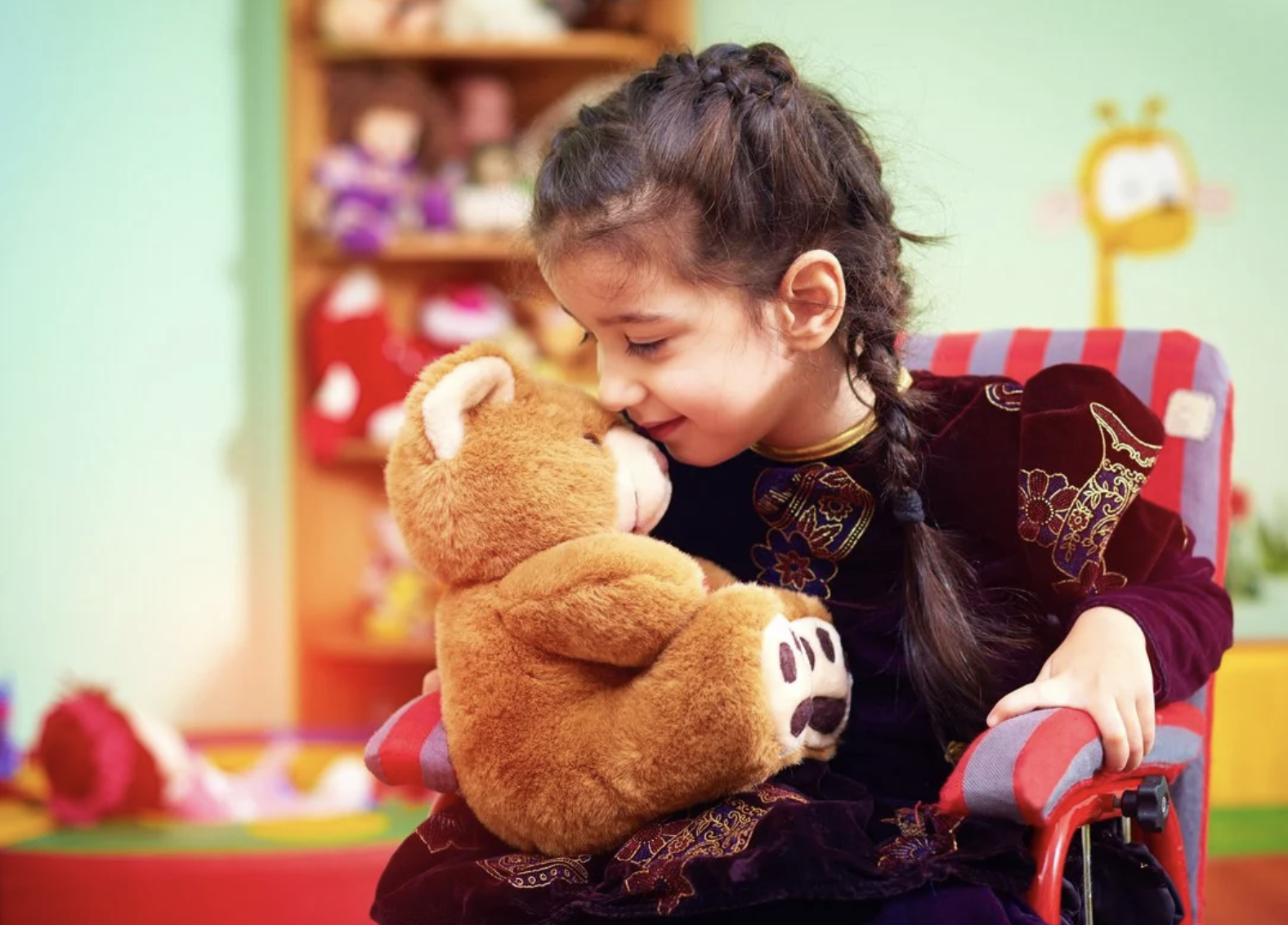
When your child begins Occupational Therapy (OT), Physical Therapy (PT), or another developmental program, it's natural to ask one simple question:
"Is this helping?"
At first, the answer may seem obvious.
You notice small improvements.
Your therapist celebrates new milestones.
Everyone feels encouraged.
But after weeks or months, many parents begin asking a more difficult question:
"How do I really know if my child's therapy is working?"
It's not always easy to answer.
Because progress isn't just about checking off milestones.
Sometimes it's about noticing the smaller changes that happen in everyday life.
And sometimes it's about recognizing when progress has become slower than expected.
If you've been wondering whether your child's current therapy is creating meaningful change, you're not alone.
Many families who come to MoveAbilities ask exactly the same question.
Progress Is More Than Learning One Skill
When people think about therapy, they often focus on visible accomplishments.
Can my child walk farther?
Can they button their shirt?
Can they sit independently?
Those are wonderful milestones to celebrate.
But there are other questions that matter just as much.
For example:
Is movement becoming easier?
Does my child seem more confident?
Are everyday activities requiring less effort?
Is my child becoming more curious about movement?
Are new skills showing up naturally outside of therapy?
These changes often tell us just as much about learning as the milestone itself.
Does Progress Carry Into Everyday Life?
One of the biggest signs that learning is becoming part of the nervous system is that it begins showing up outside the therapy room.
Parents often notice improvements when their child:
Tries something new without prompting.
Moves more comfortably at the playground.
Becomes more independent during daily routines.
Uses new skills at home without reminders.
Shows greater confidence exploring their environment.
When learning transfers into everyday life, it often means the brain is becoming more adaptable—not simply better at performing one practiced activity.
Is Movement Becoming Easier?
Sometimes a child reaches a milestone...
But still looks like they're working incredibly hard.
Parents may notice:
Holding their breath while moving.
Tight shoulders or stiff arms.
Intense concentration during simple tasks.
Fatigue after everyday activities.
Walking that still appears awkward or rigid.
This is an important observation.
A child can achieve a skill while still relying on tremendous effort.
One goal of effective learning is not only helping children accomplish new things, but helping those movements become more comfortable and efficient over time.
Confidence Matters, Too
Therapy isn't only about physical skills.
It's also about how children feel.
Ask yourself:
Does my child seem excited to try new things?
Or do they avoid challenges?
Do they appear curious?
Or anxious?
Do they recover quickly from frustration?
Or do small obstacles feel overwhelming?
As movement becomes easier, many children naturally become more willing to explore, experiment, and learn.
Confidence often grows alongside better nervous system organization.
When Progress Starts to Plateau
It's common for children to make noticeable gains at first.
Then things slow down.
Parents often describe a point where they feel like they're putting in just as much effort...
But seeing fewer results.
You might notice:
The same exercises every week.
Progress becoming inconsistent.
Skills that don't seem to carry over.
Everyday movement still requiring significant effort.
A plateau doesn't necessarily mean therapy isn't helping.
But it can be a good time to ask whether the brain might benefit from a different learning experience.
Looking Beyond Performance
The Anat Baniel Method® NeuroMovement® approaches progress a little differently.
Rather than focusing only on whether a child can complete a specific task, NeuroMovement® looks at how the brain is organizing movement overall.
At MoveAbilities, lessons are designed to help the nervous system:
Discover new movement possibilities.
Reduce unnecessary effort.
Improve organization.
Build flexibility.
Expand the brain's ability to learn.
Instead of asking,
"Can the child do this?"
the question becomes,
"Is the brain becoming more capable of learning?"
As that capacity grows, improvements often begin appearing across many different areas of daily life.
Families can explore support through in-person lessons, virtual sessions, or educational movement classes.
What If Therapy Is Helping... But Something Still Feels Missing?
Many parents find themselves in this exact situation.
They're grateful for the progress they've seen.
But they still feel like movement looks harder than it should.
Or that everyday life hasn't become much easier.
Those feelings are valid.
You don't have to choose between appreciating your therapy team and wondering whether another approach could help.
If your child continues working very hard despite ongoing therapy, it may be helpful to learn more about alternatives to OT and PT in Portland.
Learning about additional options doesn't mean giving up on what you've already done.
It simply gives you more information.
Can NeuroMovement® Be Used Alongside OT or PT?
Yes.
Some families continue Occupational Therapy or Physical Therapy while adding the Anat Baniel Method® NeuroMovement®.
Others eventually transition to NeuroMovement® as their primary approach.
Every child is different.
At MoveAbilities, each learning plan is individualized based on your child's strengths, needs, and responses.
The goal is not to replace one therapy with another.
The goal is to support the brain in learning as effectively as possible.
Good Therapy Changes More Than One Skill
The best measure of progress isn't always a checklist.
Sometimes it's seeing your child:
Move with less effort.
Explore with more confidence.
Solve problems more independently.
Enjoy movement again.
Those are often signs that learning is becoming part of who they are—not just something they practice during appointments.
And that's the kind of progress many parents hope to see.
Curious Whether NeuroMovement® Could Help?
If you're wondering whether your child's therapy is producing the kind of progress you hoped for, you don't have to figure it out alone.
You can contact Kathy at MoveAbilities to learn more about the Anat Baniel Method® NeuroMovement® and explore whether it may be a helpful addition—or alternative—for your child.