
What Are the Alternatives to Pediatric OT and PT in Portland?
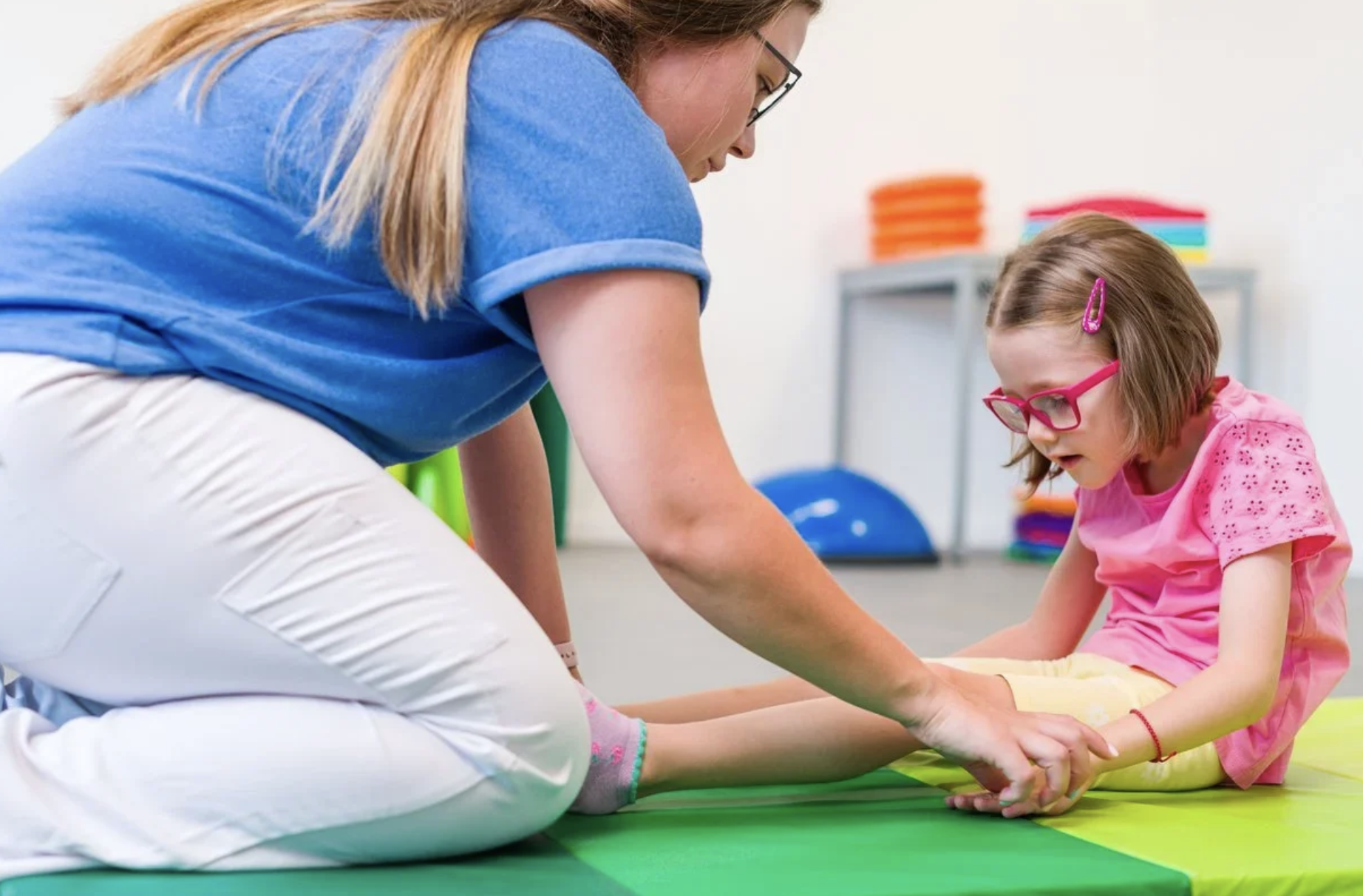
If you've been searching online, you've probably typed something like:
"Alternatives to pediatric OT in Portland"
"Alternatives to physical therapy for kids"
"Child not progressing in therapy"
"Gentle therapy for developmental delays"
"Brain-based therapy for children"
Parents usually don't begin with these searches.
Most families start with Occupational Therapy (OT), Physical Therapy (PT), Early Intervention, or school-based services.
But after months—or sometimes years—they begin asking a different question:
"What else is available?"
Not because therapy has failed.
But because progress isn't happening the way they hoped.
If that sounds familiar, you're not alone.
Many families who come to MoveAbilities arrive after wondering whether another approach might better fit how their child learns.
Why Parents Start Looking for Alternatives
Most parents don't begin their journey expecting to search for alternatives.
They begin by following recommendations from pediatricians, therapists, or specialists.
They attend appointments.
Practice exercises at home.
Support their child every step of the way.
Yet over time, they may notice things like:
Progress feels very slow.
Their child still moves with significant effort.
Skills don't carry into everyday life.
Therapy has become stressful.
Their child resists appointments.
Movement still looks awkward despite months of practice.
These experiences often lead to an important question:
"Is there another way to help my child learn?"
Looking for Alternatives Doesn't Mean Giving Up
Parents sometimes feel guilty about exploring different options.
They worry it means they aren't committed to therapy.
Or that they're questioning the professionals who have been helping their child.
But looking for alternatives doesn't mean rejecting everything you've already done.
It means recognizing that children learn differently.
Just as every child develops differently, every nervous system responds differently to different learning experiences.
Exploring another approach is simply part of finding what works best for your child.
Understanding the Difference Between Treatment and Learning
Many traditional therapies focus on helping children improve specific skills.
Those goals are important.
Children may work on:
Walking
Balance
Hand function
Strength
Coordination
Daily living activities
The Anat Baniel Method® NeuroMovement® approaches development from a different perspective.
Rather than beginning with a specific skill, it begins with the brain's ability to learn.
Instead of asking:
"How do we improve this movement?"
NeuroMovement® asks:
"How can we help the brain organize movement more efficiently?"
That shift changes the entire learning process.
What Makes the Anat Baniel Method® NeuroMovement® Different?
The Anat Baniel Method® NeuroMovement® is built on the understanding that the brain changes through meaningful information—not simply through repetition.
At MoveAbilities, lessons are designed to:
Introduce gentle movement experiences
Help the nervous system notice subtle differences
Reduce unnecessary effort
Expand movement possibilities
Improve overall brain organization
Rather than asking children to push through difficult exercises, lessons encourage curiosity, awareness, and exploration.
The goal is not simply better performance.
The goal is creating better learning.
A Gentler Experience for Many Children
One reason families seek alternatives is that traditional therapy can sometimes become overwhelming.
Parents may describe children who:
Cry before appointments.
Shut down during therapy.
Become exhausted afterward.
Resist participating.
Lose confidence over time.
Every child is different.
Some thrive in structured therapy.
Others learn more effectively when pressure is reduced.
Many parents describe NeuroMovement® lessons as feeling calmer, quieter, and less demanding than they expected.
That calmer environment often allows children to explore movement in new ways.
Families can choose in-person lessons, virtual sessions, or participate in educational movement classes depending on their child's needs.
Can NeuroMovement® Be Used Alongside OT or PT?
Yes.
One of the biggest misconceptions is that parents must choose one approach or another.
Many families continue Occupational Therapy or Physical Therapy while adding the Anat Baniel Method® NeuroMovement®.
Others decide to simplify their schedule.
Some eventually transition entirely to NeuroMovement®.
There is no universal answer.
Every child responds differently.
At MoveAbilities, the goal is to help families make thoughtful decisions based on their child's individual needs rather than following a predetermined path.
When Should Parents Consider Another Approach?
Every child develops at their own pace.
However, many parents begin exploring alternatives when they notice:
Progress has plateaued.
Movement continues requiring significant effort.
Therapy feels increasingly stressful.
Skills don't transfer into everyday life.
Their child seems overwhelmed rather than encouraged.
These observations don't automatically mean it's time to stop current therapy.
They simply suggest it may be worthwhile to learn about additional options.
If your child is not progressing the way you hoped, you can learn more about alternatives to OT and PT in Portland and how different approaches support the developing brain.
What Parents Often Notice
As children experience the Anat Baniel Method® NeuroMovement®, parents frequently report changes that extend beyond one specific goal.
They often notice:
Easier movement
Less physical effort
Greater curiosity
Increased confidence
Better adaptability
More spontaneous exploration
These changes are often the result of improved nervous system organization rather than simply practicing one skill repeatedly.
When the brain becomes more adaptable, many areas of development can benefit.
Can NeuroMovement® Be Done Without OT or PT?
Yes.
Many families choose the Anat Baniel Method® NeuroMovement® as their primary approach to supporting their child's development.
Others combine it with Occupational Therapy, Physical Therapy, or other services.
Every child at MoveAbilities receives an individualized learning plan based on their strengths, challenges, and developmental goals.
The focus is always on helping the brain learn in the way that best supports long-term growth.
Finding the Right Fit for Your Child
No single therapy is the right answer for every child.
The most important question isn't:
"What does everyone else do?"
It's:
"What helps my child learn best?"
For some families, traditional therapy provides exactly what they need.
For others, exploring a different approach opens the door to meaningful progress.
You don't have to choose based on assumptions.
You can choose based on understanding.
Curious Whether NeuroMovement® Could Help?
If you're looking for alternatives to pediatric OT or PT in the Portland area, MoveAbilities is here to help you explore your options.
You can contact Kathy at MoveAbilities to learn more about the Anat Baniel Method® NeuroMovement®, ask questions, and discuss whether it may be a good fit for your child.