
Primitive Reflexes, W-Sitting, and Low Tone: Are They Connected?
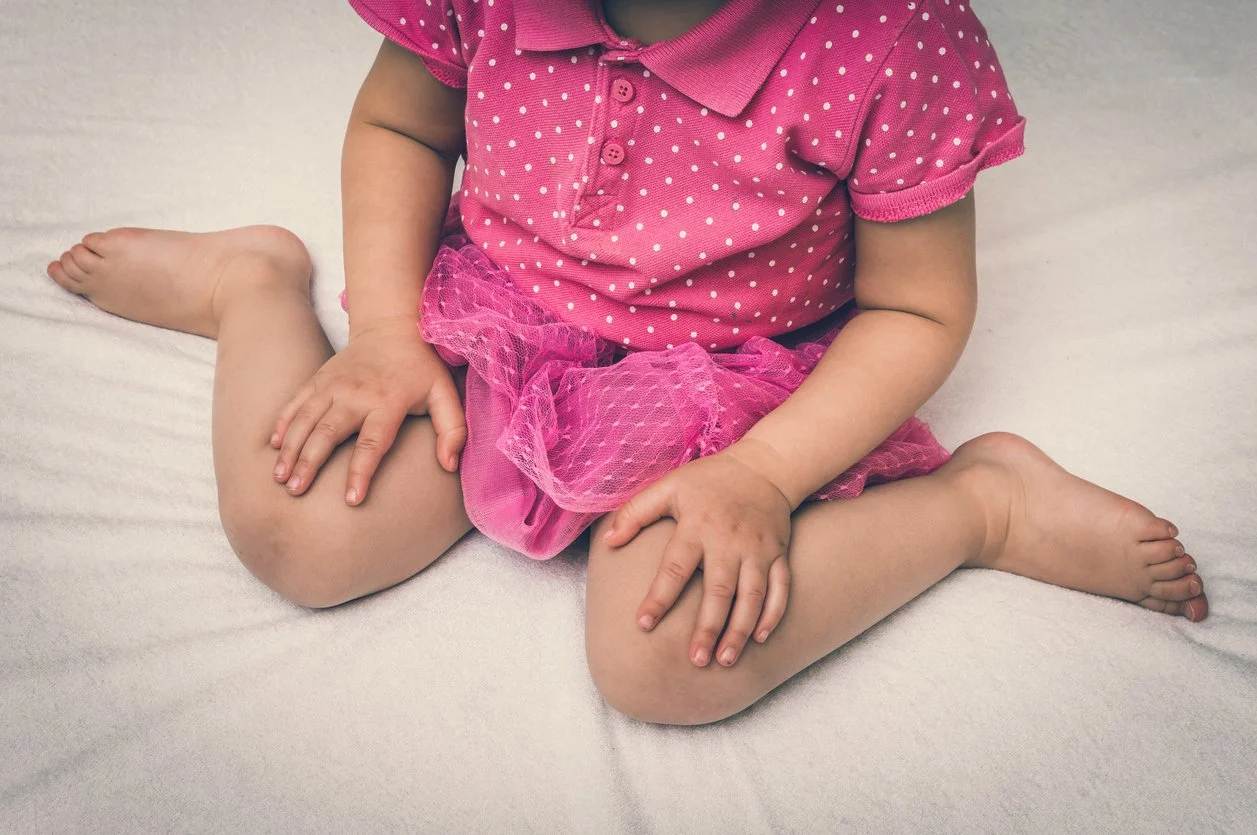
Parents often start their search with one specific concern.
Maybe you've searched for:
"Why does my child W-sit?"
"Low muscle tone in toddlers"
"Primitive reflexes won't go away"
"Poor posture in children"
"Why does my child always slump?"
These searches usually begin with a single symptom.
But over time, many parents notice something else.
The concerns don't seem isolated.
A child who W-sits may also have difficulty with balance.
A child with low muscle tone may tire easily during everyday activities.
A child with retained primitive reflexes may also struggle with coordination, posture, or movement planning.
That naturally leads to another question:
"Could all of these things be connected?"
In many cases, the answer is yes.
Rather than viewing each challenge separately, it can be helpful to look at how the brain is organizing movement as a whole.
Looking Beyond Individual Symptoms
It's easy to focus on one concern at a time.
Perhaps your child's pediatrician mentions low tone.
A teacher notices awkward posture.
A therapist points out W-sitting.
Each observation may be accurate.
But children don't move in isolated parts.
The brain organizes the entire body as one integrated system.
That means concerns like:
W-sitting
Low muscle tone
Poor balance
Awkward movement
Primitive reflexes
Coordination challenges
may all reflect how the nervous system is organizing movement.
Instead of asking, "How do we fix this one symptom?" it can be more helpful to ask, "What is the brain trying to accomplish?"
Why Children Develop Movement Patterns
Every child develops movement strategies.
Some are efficient.
Others require much more effort.
If a child consistently chooses W-sitting, for example, it may provide extra stability when balance feels uncertain.
If a child appears to have low muscle tone, they may compensate by relying on different movement strategies to stay upright.
These patterns are not usually conscious choices.
They are solutions the nervous system has developed to make movement possible.
The important question isn't whether the strategy is "good" or "bad."
The question is whether the brain has enough other options available.
Primitive Reflexes Are Part of Early Development
Primitive reflexes are automatic movement patterns that help infants interact with the world during the earliest stages of life.
As the brain matures, these reflexes typically become integrated into more complex movement patterns.
When parents hear the term "retained primitive reflexes," it's easy to assume the reflex itself is the entire problem.
But it may be more accurate to think of retained reflexes as information.
They can suggest that the nervous system is still relying on early movement strategies rather than developing more adaptable organization.
Again, this brings us back to the brain.
The goal is not simply to suppress a reflex.
The goal is to help the nervous system continue learning.
Why Low Tone Isn't Just About Strength
Parents are often told their child has "low muscle tone."
The first instinct is usually to think:
"My child needs to get stronger."
Strength certainly matters.
But tone and strength are not the same thing.
Muscle tone is influenced by how the nervous system organizes movement.
A child may become stronger while still:
Moving awkwardly
Fatiguing quickly
Using excessive effort
Struggling with balance
That's why focusing only on strengthening doesn't always change how movement looks or feels.
The brain may need better organization as much as the body needs strength.
Looking at the Whole Child
The Anat Baniel Method® NeuroMovement® approaches these concerns differently.
Rather than treating W-sitting, low tone, posture, or primitive reflexes as separate problems, NeuroMovement® looks at how the brain is organizing movement overall.
At MoveAbilities, lessons are designed to help the nervous system:
Notice subtle differences
Improve movement organization
Expand available movement options
Reduce unnecessary effort
Build greater flexibility
Instead of teaching the body to compensate differently, the goal is to help the brain discover more efficient ways to organize movement from the inside out.
Families can receive support through in-person lessons, virtual sessions, or educational movement classes.
What Parents Often Notice
As the nervous system develops more options, parents frequently begin observing changes that reach beyond one specific concern.
They may notice:
Sitting positions naturally begin to vary.
Movement becomes smoother.
Balance improves.
Posture becomes more comfortable.
Everyday activities require less effort.
Rather than working on one symptom at a time, improvements often appear across many different areas because the brain is becoming more organized overall.
When OT or PT Doesn't Address the Bigger Picture
Many families first learn about W-sitting, primitive reflexes, or low muscle tone through Occupational Therapy or Physical Therapy.
These professionals often provide valuable guidance and support.
However, some parents still notice that despite addressing individual concerns:
Movement remains effortful.
New challenges continue appearing.
Progress feels slower than expected.
Their child still relies on the same movement patterns.
If this sounds familiar, it may be helpful to explore alternatives to OT and PT in Portland.
Sometimes the nervous system benefits from an approach that focuses on overall brain organization rather than isolated symptoms.
Can NeuroMovement® Be Done Without OT or PT?
Yes.
Many families choose the Anat Baniel Method® NeuroMovement® as their primary approach to supporting development.
Others combine it with Occupational Therapy or Physical Therapy.
Every child at MoveAbilities receives an individualized learning plan based on their unique strengths, needs, and developmental goals.
The focus is never on treating a diagnosis or a single symptom.
The focus is on helping the brain become a more capable learner.
Looking Beyond Labels
Terms like W-sitting, low tone, and retained primitive reflexes can be helpful because they describe what parents and professionals observe.
But they don't tell the whole story.
Behind each of those observations is a brain that is constantly learning, adapting, and searching for better ways to organize movement.
When we begin looking beyond the labels and supporting how the nervous system learns, new possibilities often emerge.
And for many families, that's where meaningful progress begins.
Curious Whether NeuroMovement® Could Help?
If you're concerned about W-sitting, low muscle tone, primitive reflexes, or other movement patterns, you don't have to look at each concern separately.
You can contact Kathy at MoveAbilities to learn more about the Anat Baniel Method® NeuroMovement® and explore whether it may be the right fit for your child.